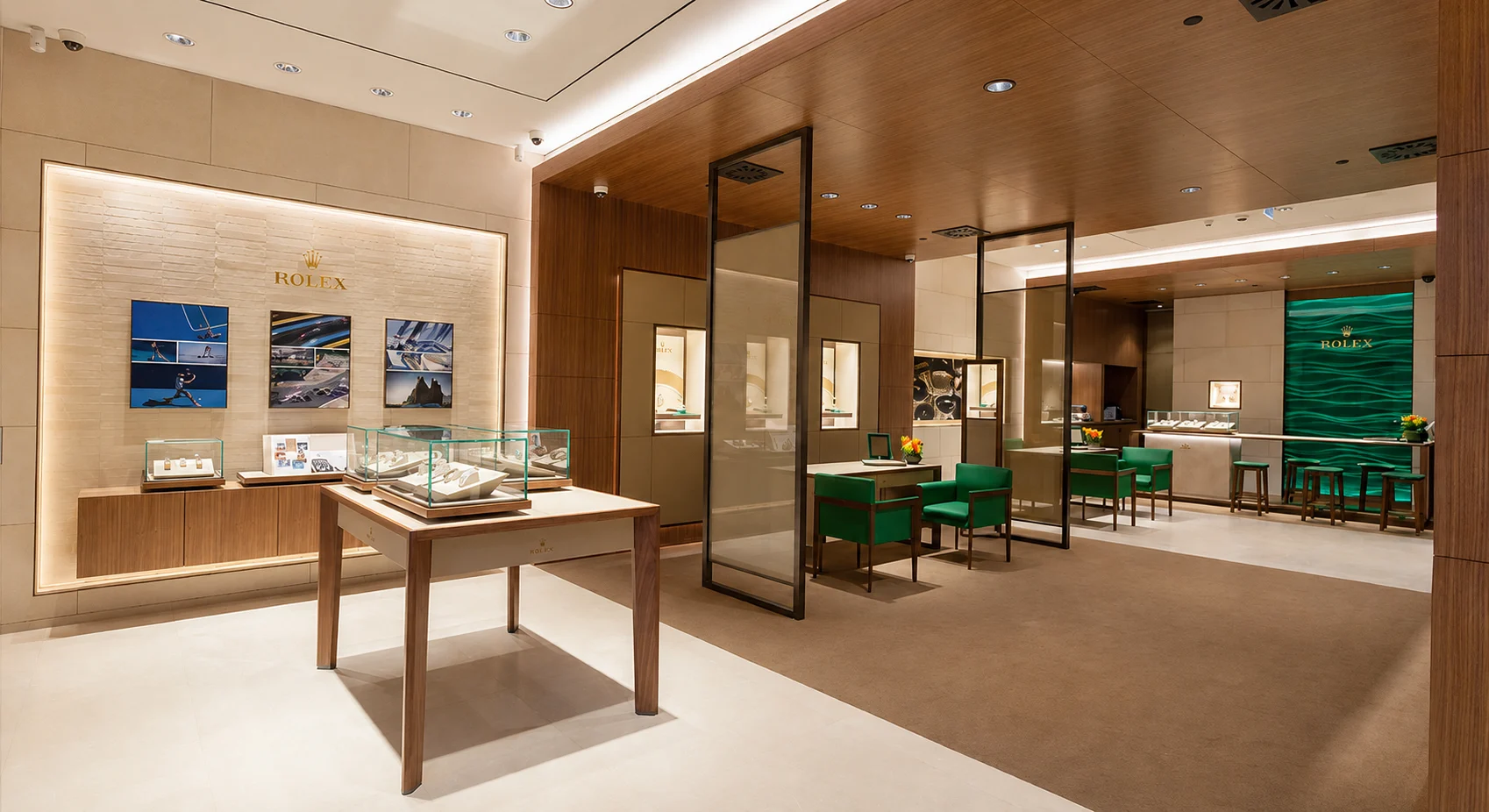
How Do You Protect Luxury Retail Millwork Across Continents?
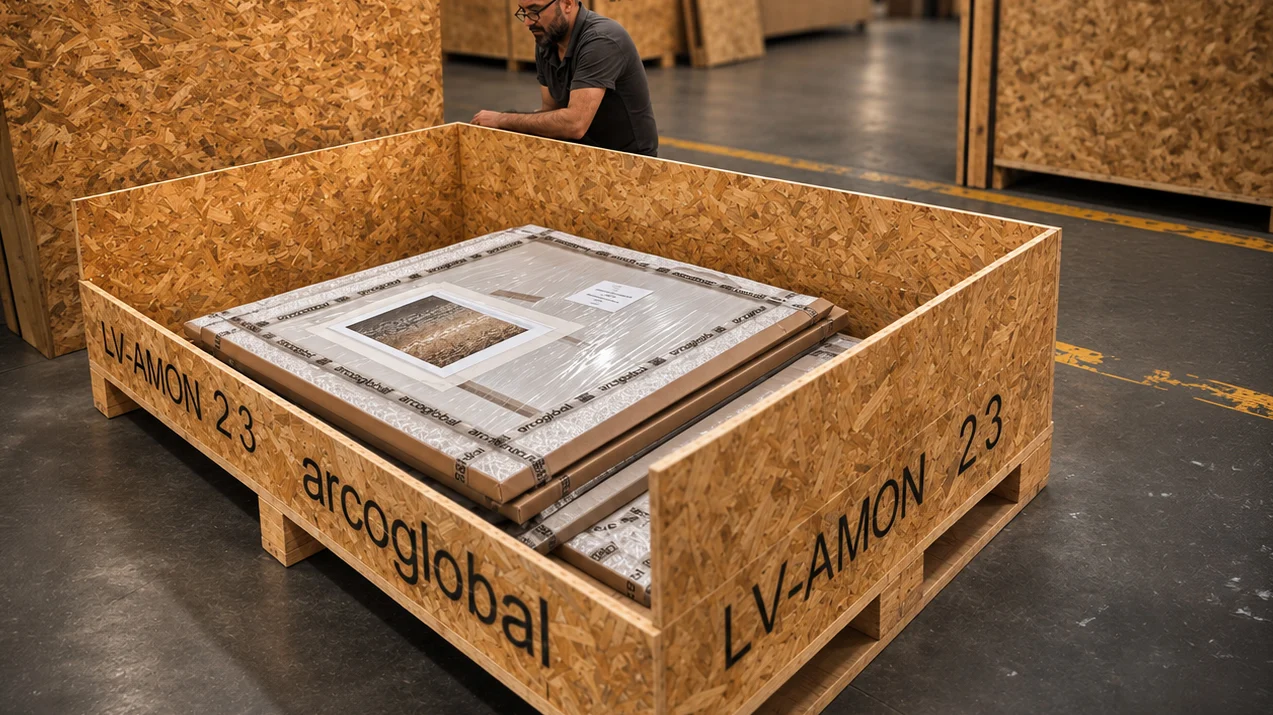
A bespoke millwork fixture may travel thousands of kilometres, passing through different vehicles, storage facilities and handling teams before reaching its final destination. Throughout this journey, protecting precision-crafted surfaces, intricate details and installation-ready components requires more than secure packaging.
For international luxury retail projects, protection begins long before shipment. It involves understanding how each piece is manufactured, how its components interact and how it will eventually be installed. Every decision, from packaging design to site coordination, contributes to preserving the quality established during production.
What Makes Bespoke Millwork Vulnerable in Transit?
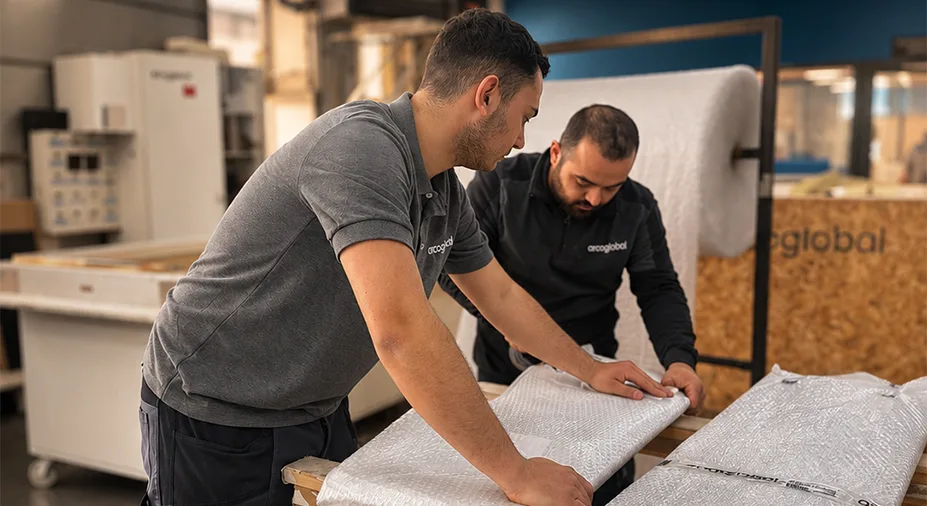
Luxury retail millwork often combines carefully selected veneers, lacquered surfaces, metal finishes, glass elements and precision-engineered connections. Each material responds differently to handling, vibration, pressure and environmental conditions.
Before packaging begins, it is essential to identify delicate surfaces, exposed edges, connection points and removable components. Equally important is understanding which elements should travel assembled, which require separate protection and how they will be accessed during installation.
The objective is not simply to prevent visible damage, but to preserve the dimensional accuracy, finish quality and assembly integrity of each piece.
Why Does Every Millwork Piece Need a Different Protection Strategy?
No two bespoke millwork elements have exactly the same protection requirements.
A large display counter, a delicate wall fixture and a precision-finished cabinet may require different approaches to support, separation and handling. Dimensions alone cannot determine the most suitable packaging method.
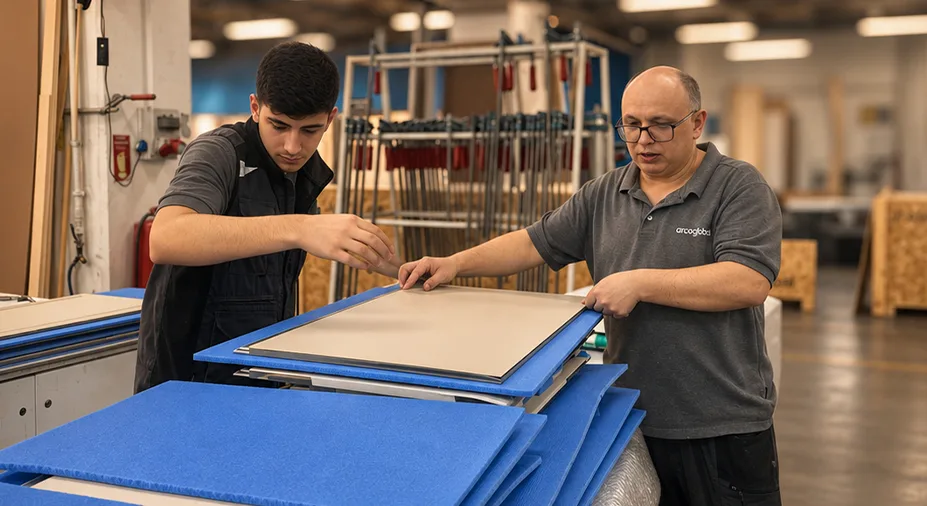
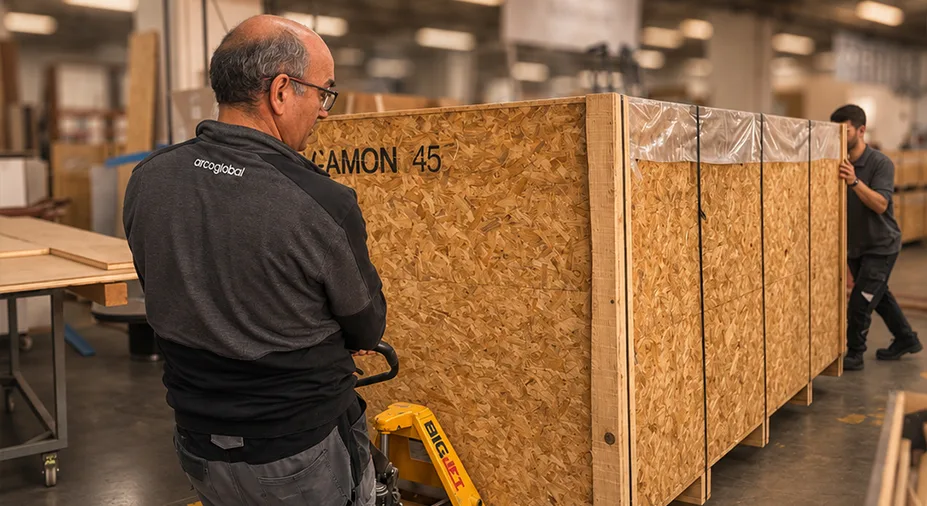
Protection strategies must consider material sensitivity, structural form, assembly status and the conditions expected along the shipping route. Crate design, internal support, orientation and unpacking sequence should work together to minimise unnecessary handling and protect critical details.
Effective packaging is therefore an extension of the manufacturing process, shaped by the characteristics of the finished piece.
How Does Millwork Stay Traceable Across Borders?
International millwork delivery requires coordination between manufacturing teams, logistics partners and installation specialists.
As fixtures move between locations and responsibilities, accurate identification and documentation become essential. Each package should be connected to its project destination, relevant technical drawings and installation sequence.
Packing records, component references and visual documentation help receiving teams understand what has been dispatched and assess its condition at each handover.
Loading sequences also play an important role. Organising shipments according to installation priorities can reduce unnecessary movement and support a more controlled workflow on site.
Clear responsibilities for inspection, reporting and escalation help maintain continuity throughout the delivery process.
What Happens When Millwork Arrives on Site?
The arrival of bespoke millwork marks another critical stage in protecting its quality.
Before unpacking, receiving teams should verify package identification, inspect external conditions and document any visible concerns. Opening procedures should follow the intended sequence, with particular attention to finished surfaces, edges, hardware and associated components.
However, successful delivery does not automatically mean installation readiness.
Site access, available storage, working space and coordination with other trades must be considered before fixtures are removed from their protective packaging.
When site conditions are not yet suitable, maintaining protection until installation can help prevent unnecessary exposure and handling.
Seven Critical Checkpoints for International Millwork Delivery
A coordinated approach to international millwork delivery should address seven essential checkpoints:
Identify vulnerable finishes, edges and precision connections.
Adapt packaging to materials, geometry and assembly requirements.
Link each package to its destination and installation sequence.
Document component preparation and shipment condition.
Establish clear inspection and escalation responsibilities.
Verify fixture condition during receiving and unpacking.
Confirm site access, storage conditions and installation readiness.
Together, these checkpoints help connect manufacturing quality with the practical requirements of international delivery.
Protecting Craftsmanship from Workshop to Installation
In luxury retail millwork, craftsmanship extends beyond the manufacturing environment.
The precision achieved in the workshop must be maintained through packaging, transportation, handling and installation. This requires an integrated approach in which technical knowledge, documentation and coordination support every stage of the journey.
By treating protection as a continuous process rather than an isolated shipping task, bespoke millwork can reach its destination with the finish quality, dimensional integrity and attention to detail intended from the beginning.
Explore arcoglobal's expertise in bespoke millwork, international logistics and installation.